
Written by Dorinda So, Executive Director pointA
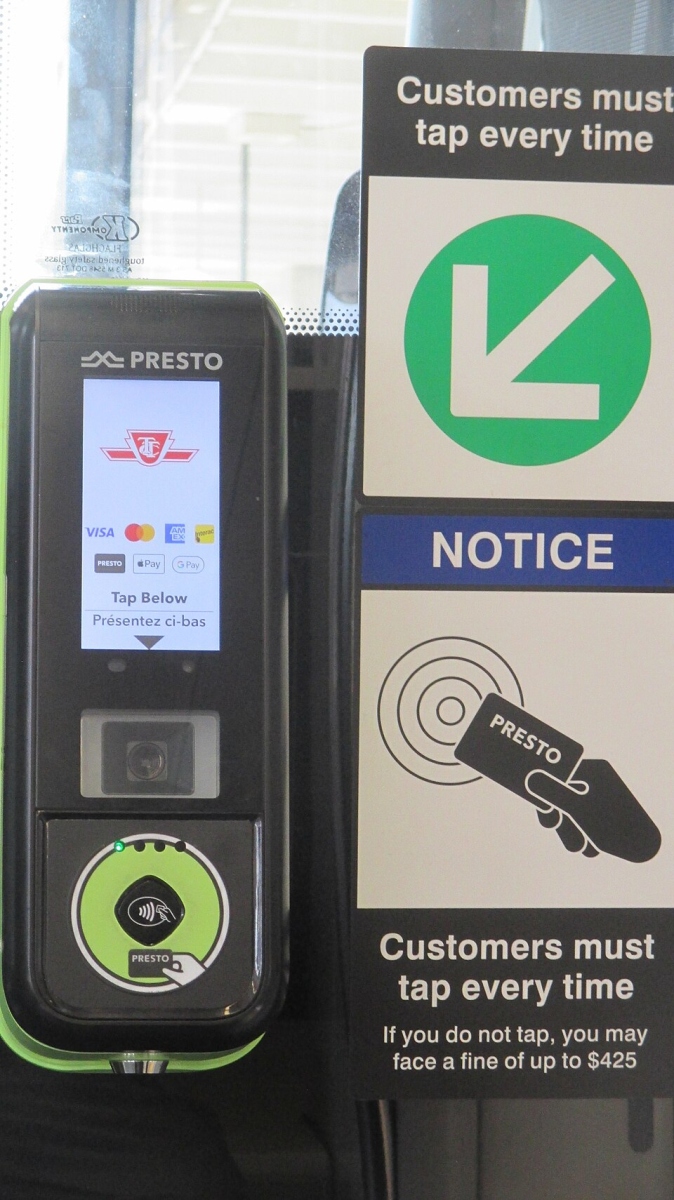
The Toronto Transit Commission (TTC) announced late August that it was proposing fare capping for 2026. This would remove monthly transit passes and instead, rides would eventually become free after between 40 and 47 rides per month. This is being introduced at an opportune time, as many companies are implementing working mandates in person. Fare capping has been long used by other agencies. As of 2024, 15% of all North American transit agencies offered fare capping, according to the American Public Transportation Association. In Canada, York Region Transit introduced this program in 2024. This along with the many improvements they have made, increased ridership by 12% in 2024 from 2023. Brampton Transit markets this program as a loyalty program that rewards Presto users after 12 trips in a week. GO Transit also has a similar program at 41 rides per month. OC Transpo in Ottawa also recently started offering this as well. Edmonton Transit (ETS) has a more complicated fare capping system based on location, distance, and type of fare, with daily and monthly caps. It should be noted that fare capping is only available to those using smart cards, such as Presto or Arc for transit.
There are a number of reasons why fare capping is effective:
- It allows users to pay per use, instead of paying upfront for a full month’s transit, which is particularly beneficial for lower income individuals, maximizing accessibility. Moreover, this flexibility is helpful to most if not all riders. For example, if a rider is on vacation, taking leave from work, or any circumstance arises when their transit usage may be lower than usual, they do not have to worry about their monthly pass.
- Riders do not have to count rides to ensure that they meet the minimum number to reap the benefit of using a monthly pass. On average, across Canadian transit agencies, this takes 33 trips, which if commuting to/from work every weekday would mean that it would take more than 3 weeks for this to happen.
- As fare capping is only available on smart cards such as Presto or Arc, this can help to reduce the swipe fees charged by credit cards, especially for those who pay single fares using their credit cards.
- Fare capping is a way to “reward” loyalty and increase ridership. In fact, the TTC estimates that ridership may increase from 3.6 million if capped at 47 rides to 16.8 million at 40 rides, contributing a 0.8% to 4% increase in ridership, which is significant considering that 2024 saw a 6% increase in ridership from 2023.
It should be noted that the ridership comes at a cost and the TTC expects a revenue loss from this scheme, which it expects to offset through an overall increase in fares. The TTC’s 2026-28 Ridership Growth Strategy report proposed a levy on ride hailing trips. This is because a City of Toronto 2024 report found that a majority of ride hailing (Uber/Lyft) services compete with transit.
For employers who offer transit passes for their employees, which are currently tax exempt for the employee, they must now change how they purchase their monthly passes. Employers have the following options:
- Purchase vouchers if the program is available, depending on the transit agency, and send them out on a monthly basis to employees;
- Reimburse employees for their monthly commuting spend;
- Provide a transportation stipend or subsidy for employees using public transit and include this on their paystubs.
Note: While the first two options remain non-taxable benefits, the last option may be taxable for employees and must be included in employee T4s.
Overall, fare capping is a great way to achieve multiple goals for transit agencies, and rewards usage. This also maximizes accessibility, which is great for everyone.
Need help setting up these programs? Our team can help you figure out the best solution for your team and work with you on setting this up. As an employer, if you are already offering transit passes or subsidies to employees, you could be eligible for our BWC designation. Speak to one of our team members to learn more.
Photo Credits:
https://commons.wikimedia.org/wiki/File:Presto_reader_supporting_open_payment.jpg


