Public transportation plays a vital role in enabling people to access work, education, healthcare, and social activities. Yet for too many individuals, significant barriers still prevent full participation. In Canada, 27.0 % of people aged 15 and older, that is about 8 million Canadians report having at least one disability.
When transit systems are not designed with accessibility in mind, these barriers become real obstacles to freedom of movement, dignity, and independence for persons with disabilities and their support persons. This blog explores how the travel journey can pose quite different challenges depending on the nature of a person’s disability. We will also highlight how transit providers across Canada are working to reduce those obstacles and share actionable tips for riders, agencies and communities striving to make transit genuinely inclusive.
Disabilities Are Not All the Same
Disability is not a single experience; it encompasses a wide range of conditions that affect people in diverse ways. Some disabilities are visible, like the use of a wheelchair or white cane, while others are invisible, such as chronic pain, memory challenges, or mental health conditions. Understanding this diversity is essential when designing accessible transit systems and services. Individuals may also experience more than one disability at the same time, and their needs can change based on their environment, time of day, or energy levels.
Here are the main categories of disabilities recognized in Canada with a description of the challenges it may bring in using public transit: (source: Employment and Social Development Canada
- Mobility disabilities
Affect a person’s ability to move, walk, climb stairs, or use their arms or legs. People may use wheelchairs, walkers, canes, or other assistive devices.
- Pain-related disabilities
Chronic pain conditions may not be visible but can significantly affect endurance, comfort, or ability to stand, sit, or travel for extended periods.
- Mental health-related disabilities
Conditions such as anxiety disorders, depression, PTSD, or other psychological conditions that can impact travel confidence, stress levels, or ability to cope in crowded or unpredictable environments.
- Seeing (visual) disabilities
Partial or complete vision loss, including low vision or blindness, that can affect wayfinding, reading signage, or navigating unfamiliar transit spaces.
- Hearing disabilities
Partial or complete hearing loss that affects the ability to receive audio announcements, ask for information, or hear alerts and warnings.
- Learning disabilities
Neurological differences that affect how information is processed for example, difficulties reading schedules, understanding complex instructions, or adapting to changes.
- Dexterity disabilities
Limitations in fine motor skills, such as difficulty pressing buttons, tapping screens, holding tickets, or steadying oneself on moving transit vehicles.
- Memory-related disabilities
Challenges with recalling information, following multi-step instructions, or adapting to route changes can make transit navigation overwhelming.
- Developmental disabilities
Conditions such as autism spectrum disorder or intellectual disabilities that may affect communication, sensory processing, or interaction with unfamiliar environments.
Even with modern transit systems, people with disabilities often encounter barriers that make travel difficult or even impossible. These barriers can exist at any stage of the journey, from planning a trip, to getting on a vehicle, to reaching a destination. Importantly, barriers are not always physical; they can be informational, attitude-related, or systemic.
For example, pre-trip barriers can include websites or apps that are incompatible with screen readers, making it hard for someone with a visual disability to plan a route. Physical barriers may involve buses or stations without ramps or elevators, preventing riders who use mobility devices from boarding safely. Communication barriers arise when announcements are only spoken, leaving people who are deaf or hard of hearing unaware of delays or changes. Systemic and attitude barriers include staff not trained to assist riders with disabilities or policies that unintentionally restrict service animals. Even invisible barriers, like crowded, noisy, or overstimulating environments, can make travel overwhelming for people with mental health or developmental disabilities.
These obstacles can lead to increased isolation, reduced independence, and even create an economic disadvantage. For example, someone who cannot reliably access transit may be forced to turn down a job opportunity or educational program. Barriers also affect support persons who accompany individuals with disabilities, adding additional planning and logistical challenges.
Organizations Leading the Way in Accessible Transit
Across Canada, several transit providers and programs are making strides to ensure travel is accessible for all. These initiatives demonstrate how thoughtful planning, technology, and training can break down barriers and create more inclusive transit experiences.
- VIA Rail offers accessible booking options, wheelchair spaces, and assistance services, ensuring passengers with mobility challenges can travel safely and comfortably. Their tactile signage and onboard support make navigating trains easier for riders with visual disabilities.
- Metrolinx (GO Transit and UP Express) has implemented accessibility upgrades, including audio and visual announcements, designated mobility device boarding zones, and accessible trip planning tools, helping riders with a variety of disabilities move confidently through their network.
- Peel TransHelp provides specialized door-to-door transit services for people with disabilities, ensuring safe and reliable travel when conventional transit is not fully accessible.
- Regina Transit’s Travel Training Program empowers individuals with developmental or cognitive disabilities to learn to navigate conventional transit independently, building confidence and autonomy while reducing reliance on support services.
These examples highlight the potential of inclusive transit design and service to transform mobility for millions of Canadians.
Tips for Inclusive Travel
Creating accessible transit is a shared responsibility. From transit agencies to fellow riders to people with disabilities, we all can play a role:
For Transit Agencies & Municipalities
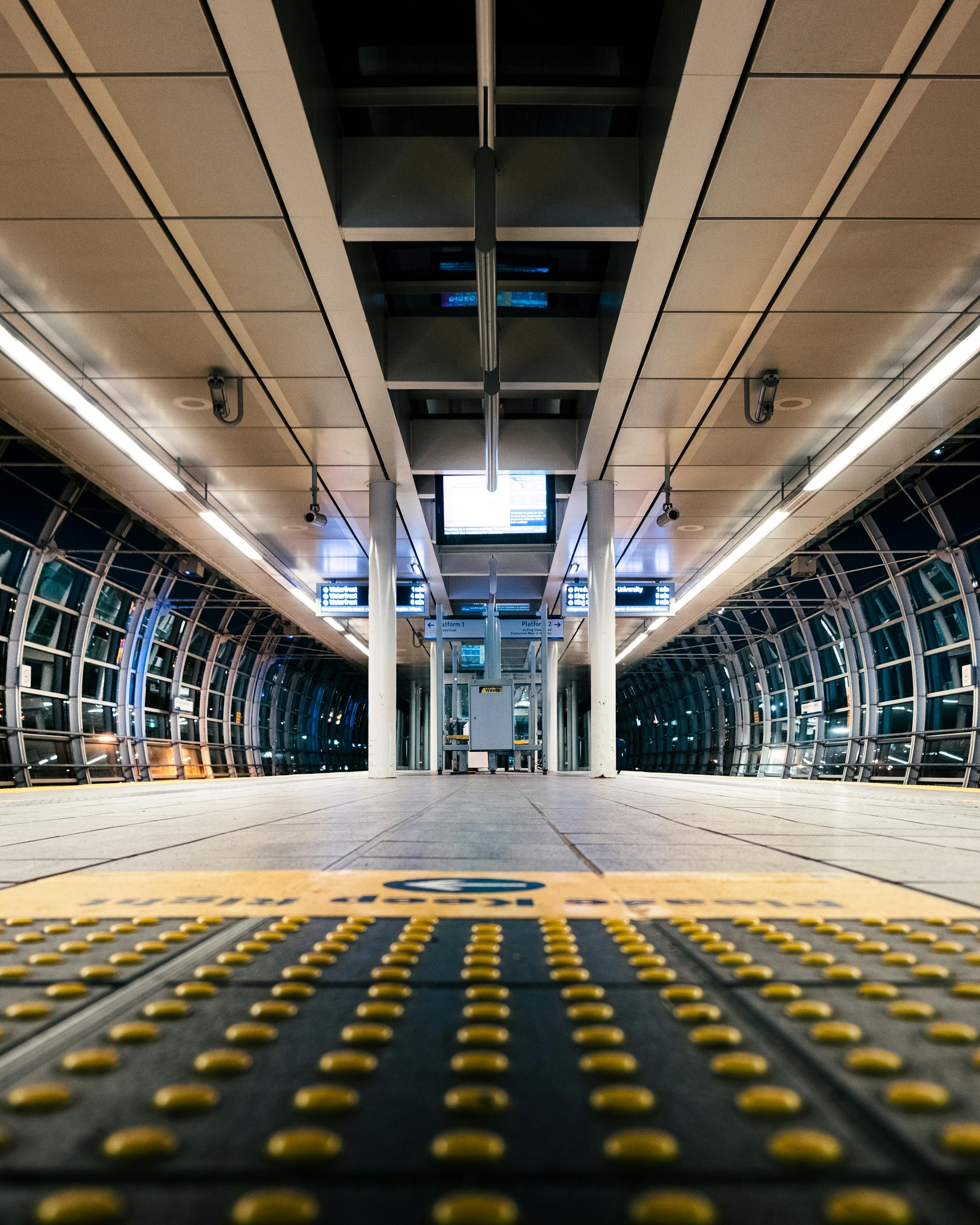
- Invest in universal design: Ensure stations, vehicles, and stops are accessible to all, including ramps, elevators, tactile paving, and clear signage.
- Provide consistent information: Use both audio and visual announcements, and make schedules, apps, and websites compatible with assistive technologies.
- Train staff in disability awareness: Equip employees to assist riders respectfully and knowledgeably.
For Riders & the Public
- Be patient and considerate: Allow extra space for wheelchairs, mobility devices, or strollers.
- Offer assistance thoughtfully: Ask before helping someone with a disability; respect their independence and preferences.
- Use priority spaces respectfully: Seats, ramps, and designated areas are essential for those who need them.
For People with Disabilities
- Know your rights: Familiarize yourself with accessibility legislation such as the Accessible Canada Act or provincial laws like AODA in Ontario.
- Plan ahead: Use accessible trip planning tools, apps, and support hotlines to navigate routes safely.
- Explore training and support programs: Services like travel training programs or specialized transit can build confidence and independence.
Small actions and thoughtful design can make an enormous difference, turning transit from a source of stress into a reliable, empowering part of daily life for everyone.
Accessible transit is not just a matter of convenience; it is a fundamental part of inclusion, equity, and human rights. When barriers are removed, everyone can experience safer, smoother, and more enjoyable journeys.
The journey toward accessible transit is ongoing, but through awareness, advocacy, and thoughtful design, Canada can continue building systems where no one is left behind. Every rider deserves the freedom to move confidently, independently, and with dignity.