
By Leo Chen, Volunteer Writer
Ottawa is a city rich in culture, history, and green space. With its natural parks, lively festivals, and iconic landmarks, Ottawa blends civic energy with natural beauty seamlessly.
Want to see what this city has to offer? This guide will break down accessible, sustainable, and cost-effective commuting options to help you traverse through the nation’s capital.
O-Train Light Rail
OC Transpo is the primary public transit agency for Ottawa, operating bus, light rail, and paratransit services in the Greater Ottawa region.
This includes their O-Train, which runs three routes:
- Line 1 (Confederation Line): Line 1 is 100% electric, emitting zero emissions per year! It runs east to west from Blair Station to Tunney’s Pasture, connecting major hubs including downtown, Rideau Centre, and the University of Ottawa. It also has three major bus interchanges, one Line 2 interchange, and one intercity Via Rail station.
- Line 2 (Trillium Line): Line 2 runs from Bayview Station south to Limebank, serving Carleton University and south-end communities.
- Line 4 (Airport Link): Provides a connection between Line 2 (South Key station) and Ottawa Macdonald-Cartier International Airport.
Trains operate frequently from 5:00am until 2:00am (depending on line, station, and day) with service every 5–12 minutes. For the most up-to-date information on train schedules, click here.

Bus Network
Along with the O-Train, OC Transpo runs an extensive bus system with over 200 routes. Supporting Ottawa’s rapid transit network, express routes parallel rapid corridors with limited stops during peak hours, while local routes are infrequent with closed stops. The Ottawa bus network includes:
- Frequent Routes (blue): High-frequency routes run 7 days a week, with service every 15 minutes on weekdays.
- Local Routes (gray): Serve residential areas with connections to major transfer points and O-Train stations.
- Connexion routes (purple): Operating only on weekdays during rush hour (early morning and late afternoon). These routes link O-Train stations to residential neighbourhoods.
- Night Buses (blue with a moon symbol): Operating 7 days a week, the night routes run between Line 1 stations after O-Train service ends.
- Shopper Routes (300s): These connect residents from rural neighbourhoods to downtown shopping centres once a week, free of charge.
Most buses operate from 5:00am to 1:00am (depending on route and day). For the most up-to-date information on scheduling, click here. To stay updated on service changes, cancellations, or delays, check out the alert page.
Alternatively, you can plan and track your trip by using OC Transpo’s Travel Planner or the OC Transpo Transit app.
OC Transpo aims to see 450 electric buses purchased by 2027 and full fleet electrification by 2036.

Fares and Payments
OC Transpo fares work across all bus and train networks, and are valid for 90 minutes after you tap on or purchase your ticket. Sometimes, the validity window changes depending on time and day. For more information, click here.
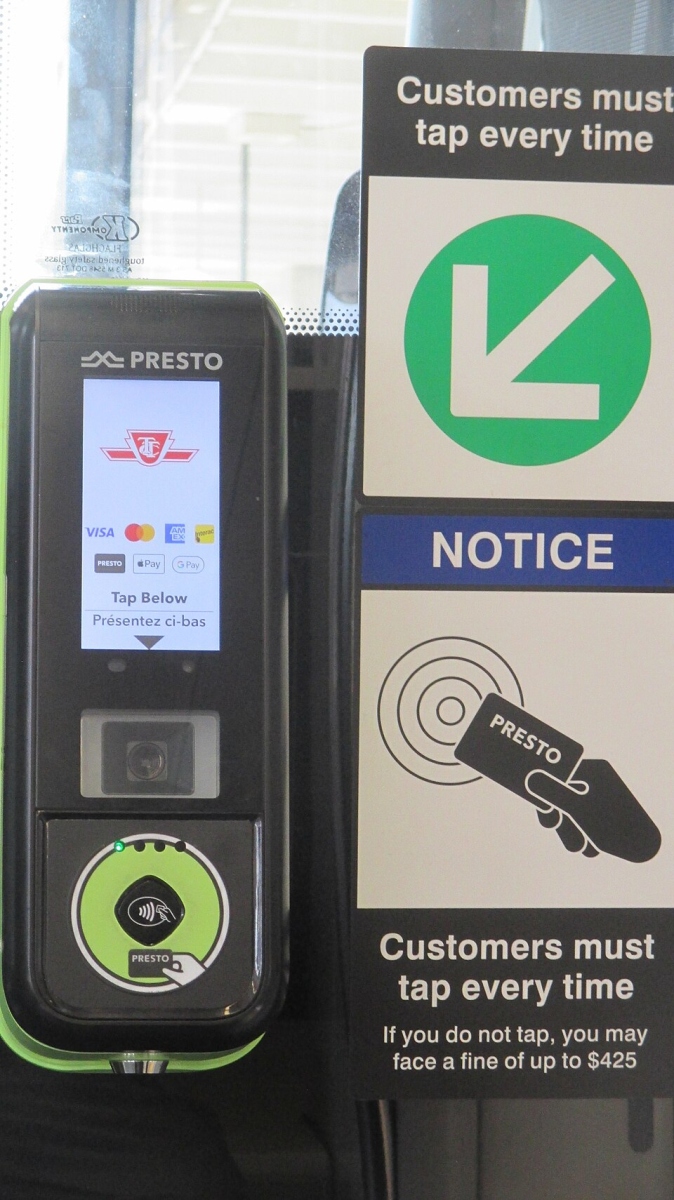
If you are a frequent commuter, the easiest way to pay is through PRESTO – a reloadable fare card that riders can tap on/off with. PRESTO cards are available to purchase on their website, at ticket machines across transit stations, OC Transpo Customer Service Centers, Rideau CSC, ServiceOttawa centers, and participating retail stores (Shoppers Drug Mart, Loblaws).
You can also buy single-ride tickets, DayPasses, or MonthlyPasses using cash, debit, or credit. However, you must use exact change when purchasing a ticket from a bus operator. For more information on where to purchase a PRESTO card, pass, or ticket, click here.
Additionally, OC Transpo offer reduced fares to:
- Students through the U-Pass
- Seniors 65 and older
- Youth who are 11-12 years old
- Children 10 and under can ride for free
- Low-income individuals through the EquiPass
For more information on reduced fares, click here.
Accessibility
OC Transpo is committed to accessible travel for all passengers. All buses and trains are low-floor, equipped with ramps, and have designated areas for those with accessibility needs. Moreover, transit stations have elevators, tactile wayfinding, and visual/audio announcements.
OC Transpo also provides a Travel Training program for seniors and persons with disabilities, which teaches them how to safely navigate buses and trains.
Moreover, Para Transpo is a shared-riding service offered to those who cannot take conventional transit due to a disability. Eligible customers must book a ride in advance, and can move within Ottawa’s urban center as well as select areas in Gatineau, Quebec. For more information, click the following links to read their user guide and eligibility criteria.
Combining Public Transit with Biking
Bikes are permitted on all O-Transpo buses (equipped with bike racks) and O-Trains. Additionally, most transit stations are connected to multi-use pathways perfect for biking, walking, or running.
If you want to park your bicycle, Bikesecure is a paid parking program that lets riders store their bikes in secure shelters near transit centres. This program is offered at Fallowfield, Greensboro, Stranherf, and St-Laurent stations. For more information, click here.
Lastly, the city offers over 50 bike repair stations to help fix flat tires, adjust seats, brakes and handlebars, tighten bolts or pedals, as well as change gear or brakes. For more information on location and service, click here!
Looking for more? Bike Ottawa is a non-profit that offers resources to make the most out of your Ottawa cycling journey. Similarly, the City of Ottawa has a list of maps and tools to help plan your route.
Welcome to Ottawa! Utilizing the city’s public transit will make your journey easier, greener, and more enjoyable. Start planning your route and explore what Canada’s capital city has to offer.
Photo Credits
- https://unsplash.com/photos/a-red-and-white-bus-driving-down-a-street-nJ4JcBl-TVc
- https://commons.wikimedia.org/wiki/File:Stage2South.png