

Written by Amélie Chanda, Program Manager, pointA
Every day, millions of Canadians face the same routine: sitting in traffic alone in their vehicles, dealing with delays, and feeling the stress of a long commute. Event with the growing awareness of the environmental and health benefits of sustainable commuting, according to Statistics Canada, 4 out of 5 Canadians still drive to work, and in a major city like Toronto, only 23% of commuters use public transit.
We know that traffic congestion isn’t just frustrating, it also affects our mental and physical health, and productivity. Congestion costs employers billions of dollars in lost productivity.
Research shows that commuting by public transit, biking, walking, or carpooling can reduce stress and improve overall well-being. Yet the reasons for not making the switch from driving alone to other forms of transportation are multi-faceted, often revolve around concerns about flexibility and the potential for unexpected situations.
That’s where Emergency Ride Home (ERH) comes in. Having an ERH benefit offers a safety net, ensuring that if an urgent situation arises, like an unexpected family emergency, you have a reliable way to get home that does not cause financial stress. This simple solution provides peace of mind, making it easier for commuters to confidently explore other, more sustainable options for getting to work.
What is an Emergency Ride Home?
ERH is a guaranteed ride home program that allows employees to get reimbursed if they face an emergency on a day when they used sustainable transportation and need to access a paid ride home. It removes a major barrier for those hesitant to give up driving alone.
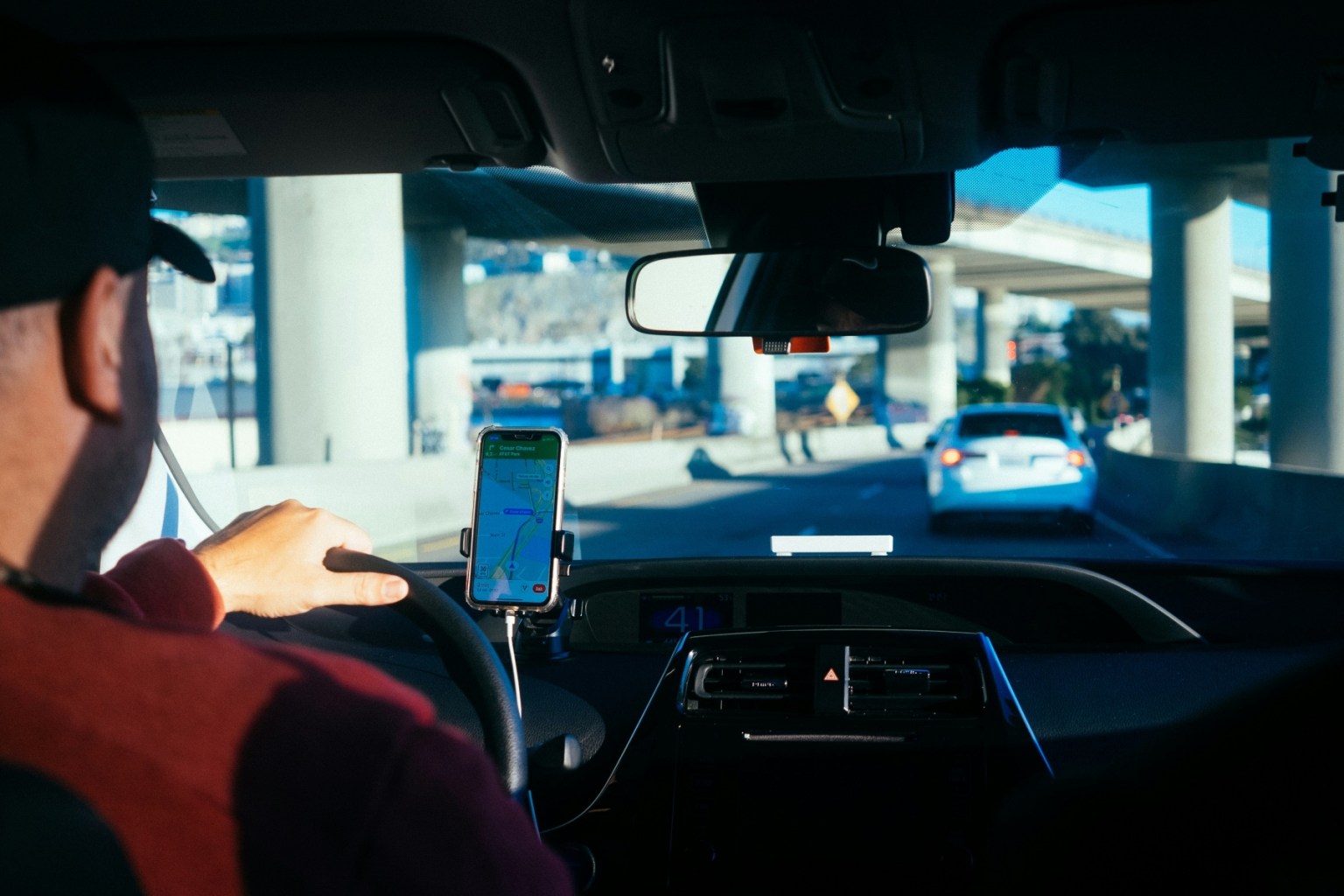
How does ERH work?
- Employers subscribe to EHR through the Smart Commute program or as a stand-alone feature.
- Employees who commute using transit, carpooling, or active transportation take a taxi/Uber/Lyft ride home in the event of an emergency situation such as:
- A family emergency (e.g., a sick child or urgent personal matter).
- An illness or emergency affecting their ride home (e.g., their carpool driver has to leave early).
- Employees submit a reimbursement request for the cost of the ride (maximum is typically $75).
- Program administrators review the submission and approve the request.
Please visit the Smart Commute website for a full list of terms and conditions for ERH.
Why does ERH matter?
Organizations that offer Emergency Ride Home (ERH) invest in removing major barriers by giving employees the confidence to try transit, carpooling, biking, or walking, without the fear of being stranded in an emergency.
- Removes the Fear of Being Stranded for your Employees: Many commuters hesitate to carpool, bike, or take transit because of the worry about what happens in an emergency. With ERH, employers provide peace of mind to their teams, making it easier for employees to try new commuting options.
- Encourages Behaviour Change: When commuters feel supported by their employers, they are more likely to shift away from driving alone which supports the Scope 3 emission reduction goals and reporting for organizations.
- Boosts Employee Confidence and Retention: Workplaces that offer ERH demonstrate their commitment to employee well-being. This commitment can reduce stress, increase job satisfaction, and can make it easier for organizations to retain talent.
- Helps you Achieve BWC Designation: To receive the Best Workplace for Commuters designation which offers North American recognition, an organization must offer Emergency Ride Home as a commuter benefit.
How much should an organization offer?
This is a feature of the Smart Commute program and employees request ERH on the Smart Commute app (website also available). The amount offered is typically a maximum of $75 reimbursement which is sufficient in most cases. Employers can also opt for a pay-as-you-go method and also to cap the number of times that an employee submits an ERH every year.
By addressing a key psychological barrier: the fear of being without a backup plan, ERH empowers employers to support their team members to make smarter, greener commuting choices.
Our team of experts works with businesses of all sizes to design custom commuting solutions that support sustainability goals while making commuting easier and more reliable for employees.
If your organization is looking to reduce traffic congestion, lower scope 3 emissions, and improve employee well-being, the Smart Commute program can help. pointA also develop customized programming for any locations or businesses not located in Smart Commute service areas. Organizations that offer an ERH are one step closer to the receiving the Best Workplaces for Commuters (BWC) designation which provide organizations with North American recognition for their commitment to investing in sustainable commuting.