Written by Toyosi Olayanju, Program Manager
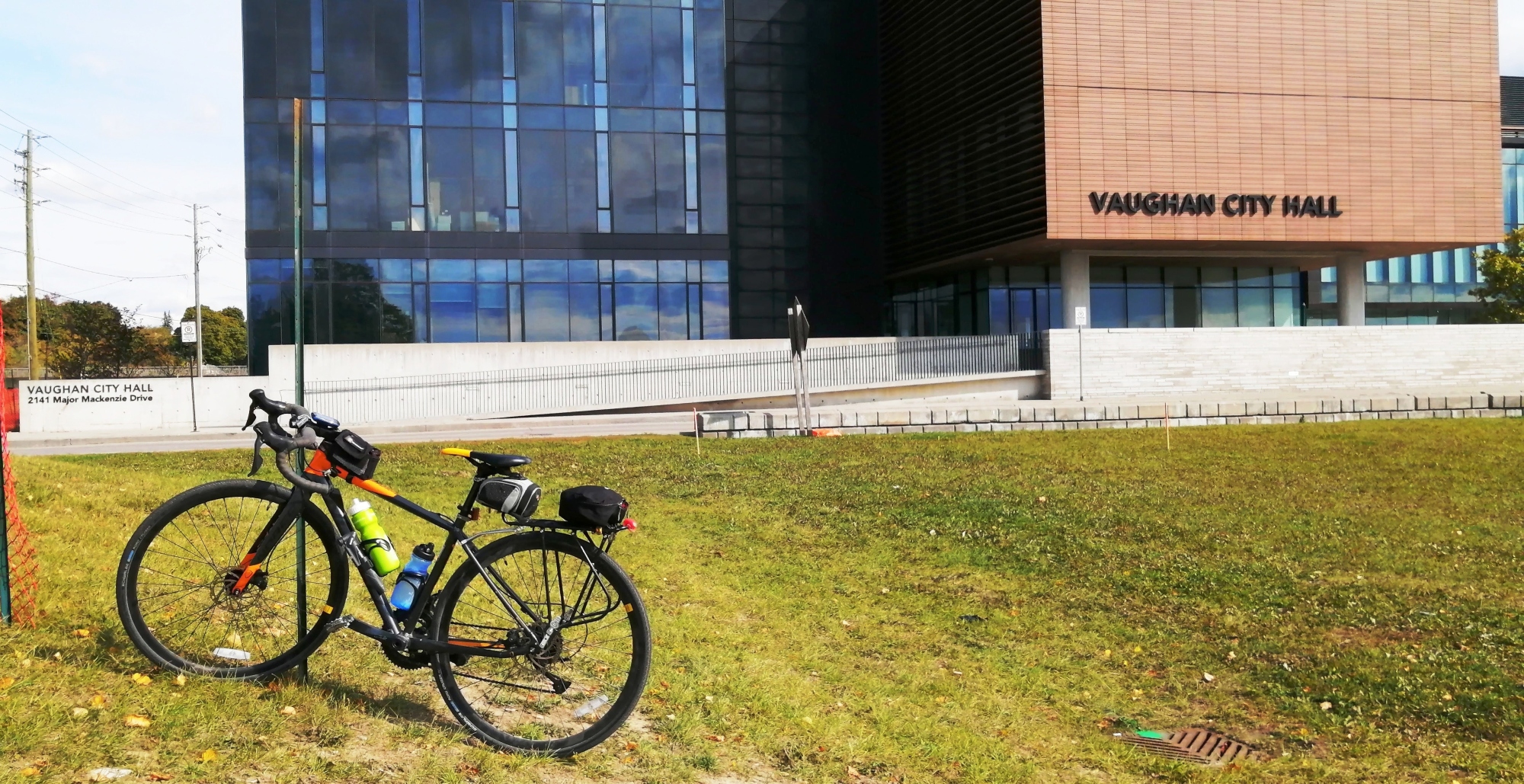
Moving to a new country, city, or even region can be very exciting, but it can also be very intimidating. I look back at my days as a newcomer to Canada, struggling to navigate my way around the City of Vaughan, where I rented my first apartment. Navigating public transit was one of the most valuable, yet overwhelming experiences during my transition. It was a convenient, cost effective and sustainable way to get around.
Public transit in the GTHA can be very daunting, but here is a guide to make it easy for newcomers, as you explore, reside, or transit in the beautiful city of Vaughan:
York Region Transit (YRT) Local Routes
This route is operated by local buses that run throughout Vaughan and neighboring areas within York Region. They cover various adjacent neighborhoods including Maple, Woodbridge, and Kleinberg. Typically, York Region Transit (YRT) operates from 5:00AM in the morning, to 1:00AM at night, depending on the route.
York Region Transit (YRT) Viva Routes
An integral part of the YRT system is the Viva Buses. Viva is also known as YRT’s rapid transit service. Viva trips are frequent and thus more flexible. Viva takes PRESTO card as a method of fare payment. Each Viva station (Viva bus stop) also has a ticket machine that allows you to pay your fare using your credit card or cash before boarding the bus. If you travel on Viva without proper proof-of-payment, you may be subject to a fine or criminal charge, so be sure to always have your proof of payment close by for random inspections.
The Viva station is also equipped with a real-time display screen that informs passengers when the next Viva bus will arrive.
Viva operates all throughout York Region, connecting Markham, Richmond Hill, Vaughan, Aurora and Newmarket, and links York Region with Toronto via the TTC subway system and GO Transit.
Viva Purple – Connects Vaughan Metropolitan Centre with Richmond Hill Centre with stops along the way.
Viva Orange – Links Vaughan Mills Terminal to Martin Grove via York University.
The Viva system Map can be found here and a real time map here.
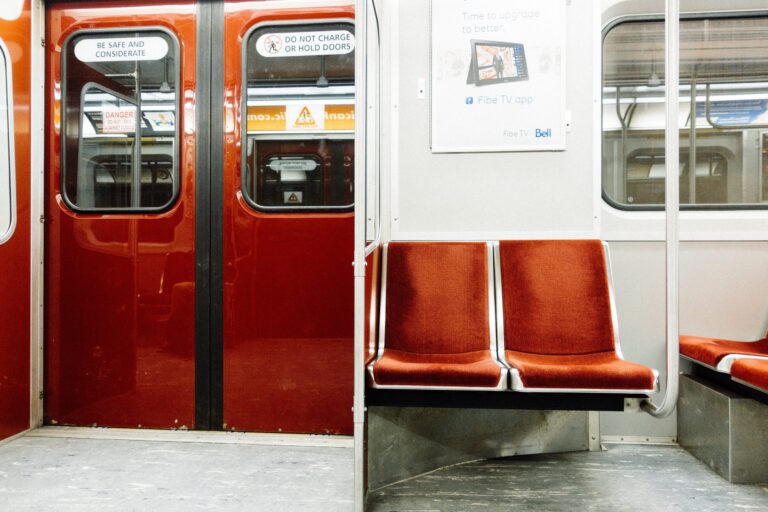
Toronto Transit Commission (TTC) Subway
When I first relocated, I worked in downtown Toronto and therefore I had to be moving from region to region daily. The Toronto Transit Commission (TTC) that services Toronto, had just recently opened an extension to Line 1 (Yonge-University-Spadina) with 6 new stations, 2 of which are in Vaughan. This was a lifesaver as it not only made downtown Toronto and nearby areas more accessible, but it significantly reduced travel time, number of transit transfers, and made it more convenient for downtown commuters.

GO Transit
GO Transit offers train and bus services in GTHA, again connecting one city to another with rapid/express service. GO Transit connects Vaughan to other surrounding cities directly, including Toronto, Brampton, and Richmond Hill. The two GO Stations in the City of Vaughan are Rutherford GO and Vaughan Metropolitan Centre (VMC). The Barrie line GO train that runs through these hubs, runs from Toronto’s Union Station. GO Transit fares can also be paid using your PRESTO Card.
For those who have a car, GO Transit offers convenient ‘Park and Ride’ facilities at these respective stations, allowing you to leave your vehicle at the station and take transit. The YRT in Vaughan has a ‘Ride to GO’ program, which allows customers travel on YRT local routes for free when showing proof of payment for a trip on GO Transit. You must use a PRESTO card, credit or debit card, or have a valid GO Transit fare to use this fare integration program.
Brampton Transit Züm
Peel Region is also accessible from Vaughan via Brampton Transit. York Region and the City of Brampton partnered to offer an integrated express transit service, Züm, for riders travelling between Brampton and York Region.
Brampton’s Züm rapid transit service operates between downtown Brampton and Vaughan Metropolitan Centre along the Queen Street corridor in Brampton, and Highway 7 in York Region.
Vaughan’s Active Transportation Network
Alongside traditional transit methods, the City of Vaughan has an extensive active transportation network, that includes sidewalks, cycle tracks, in-boulevard multi-use pathways, and recreational trails as alternative ways to get around. As a newcomer, part of the learning curve for me was understanding the different regulations around these active transportation options.
The city of Vaughan is committed to improving healthy and sustainable living, and this is reflected by these alternative active options.
The city has sidewalks available for those choosing walking as a mode of transportation. It ensures that pedestrians are both comfortable and safe. Sidewalks are also accessible for those using mobility devices.
For those using bikes, e-bikes, or scooters, there are exclusively designated cycling tracks in some parts of Vaughan. Cycle tracks are located on both sides of the roadway and users must travel in the same direction as people driving for safety purposes. There are also In-boulevard multi-use pathways available in Vaughan, and these are designated shared pathways for those walking, using mobility devices and riding bikes, e-bikes or e-scooters. Multi-use pathways are on one or both sides of the road and users can travel in both directions but must stay to the right of the path.
What I found interesting was how the transit system also encourages sustainable transportation as a means of transport. The YRT has taken measures to encourage cycling in the region, by having bike racks on their buses for those who want to use both modes to get to their destination. This allows you to take your bike almost anywhere in the city.
Vaughan also has multiple recreational trails within parks, as pathways for people walking, using mobility devices or riding bikes. It’s however important to note that the use of e-bikes and e-scooters are not permitted on recreational trails. Explore here for pictures of what these demarcations look like. The two that really stood out to me were the cycle paths and the in boulevard multi-use pathways.

Cycling Paths are designated exclusively for riding bikes, e-bikes, or scooters. They are located on both sides of the road with arrows for directions.
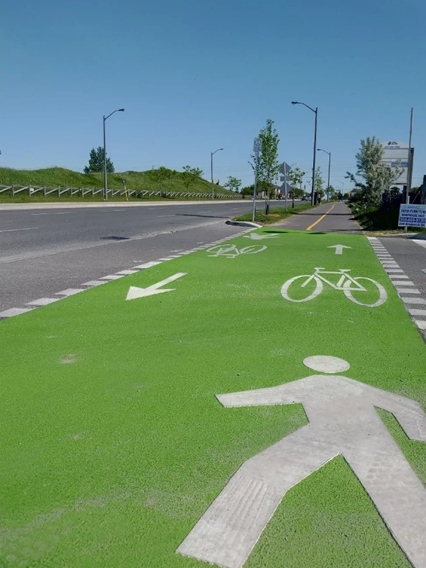
In boulevard multi-use pathways are for those using mobility devices and riding bikes, e-bikes, or e-scooters. They are on one or both sides of the road and users can travel in both directions.
Fares and Fees
YRT offers travelers multiple fare categories, including adult, youth, senior and child, with payment options that best suit your needs. For those travelling with families, the good news is children 5 years of age and under can ride for free, with discounted rates for older children up to the age of 19. The fare chart can be found here.
While using the YRT, I made sure to utilize all the different fare related perks and discounts. To reduce transit costs for riders and encourage the use of public transit across regions, Ontario has a One Fare Program. This provides transit riders with free transfers when connecting to and from the TTC and York Region Transit (YRT), GO Transit, Brampton Transit, Durham Region Transit and MiWay.
In addition, within YRT itself (Viva & local routes), if multiple buses/trips are used to complete a one-way journey within 2 hours from your initial tap-on, you will only be charged a single fare.
PRESTO Card
PRESTO card is my best travel buddy to this date. Not only is it convenient but it also helps save time during my daily commutes. It is the primary fare medium used across GTHA. To get all your questions answered about PRESTO, check out our blogpost here. PRESTO now has a convenient contactless option which allows you to tap on a PRESTO device with your credit card, debit card, or other cards in your mobile wallet on your phone or smart watch to pay for transit.
Special Services
There are parts of Vaughan that may not be within regular bus service routes, and therefore YRT offers “On Request” service. This service allows riders to request transit service within select areas. These trips can be booked via the YRT On request app. This service is especially useful for seniors 65 and older, offering them transportation when and where they need it.
YRT also has School Special Routes. Check out the YRT School Routes page, to search routes that service your specific Vaughan high school. Special passes and routes cater to students across the city.
Accessibility
Vaughan public transit is designed for accessibility. The buses are low floor and have ramps for easy boarding. All the transit routes mentioned above also have priority seating and assistance for seniors and persons with disabilities. The YRT also offers Door to Door assistance, a shared ride option, for those with mobility challenges. You must meet specific criteria for this option to be available to you.

As you navigate this guide, always remember:
- Plan your trip around rush hour and avoid peak times if you can, for smoother and more comfortable travel
- Review YRT live route updates prior to leaving the house to avoid missing the bus or long waits
- Ensure your PRESTO card is always loaded for quick transitions and transfers
And most importantly, don’t forget to carry along your favorite novel, or download your favorite show for your GO trip. (They are less crowded, and perfect for this!).
Welcome to Vaughan!
* This is not a sponsored post, and we are not receiving any commissions.