
Written by Emily Zabanah, Volunteer Writer
As employees head back to the office, and many embrace hybrid work schedules, understanding the Toronto Transit Commission (TTC) is essential to ensure a great commute. This guide will break down transit basics, from subway lines and stations to the difference between streetcars, buses, and shuttles. We’ll also cover the concept of transfers, T-CONNECT (Wi-Fi), and provide valuable tips to make your TTC journey a smooth one.
Understanding the Subway System
The TTC subway system consists of three major subway lines – Line 1 (Yonge – University), Line 2 (Bloor – Danforth) and Line 4 (Sheppard). As of 2023, Line 3 is currently a series of frequent buses serving Scarborough. Each line has different service hours, including extended hours on weekends. Be sure to check the schedule each time to avoid any inconvenience.
Streetcars, Buses, & Shuttles
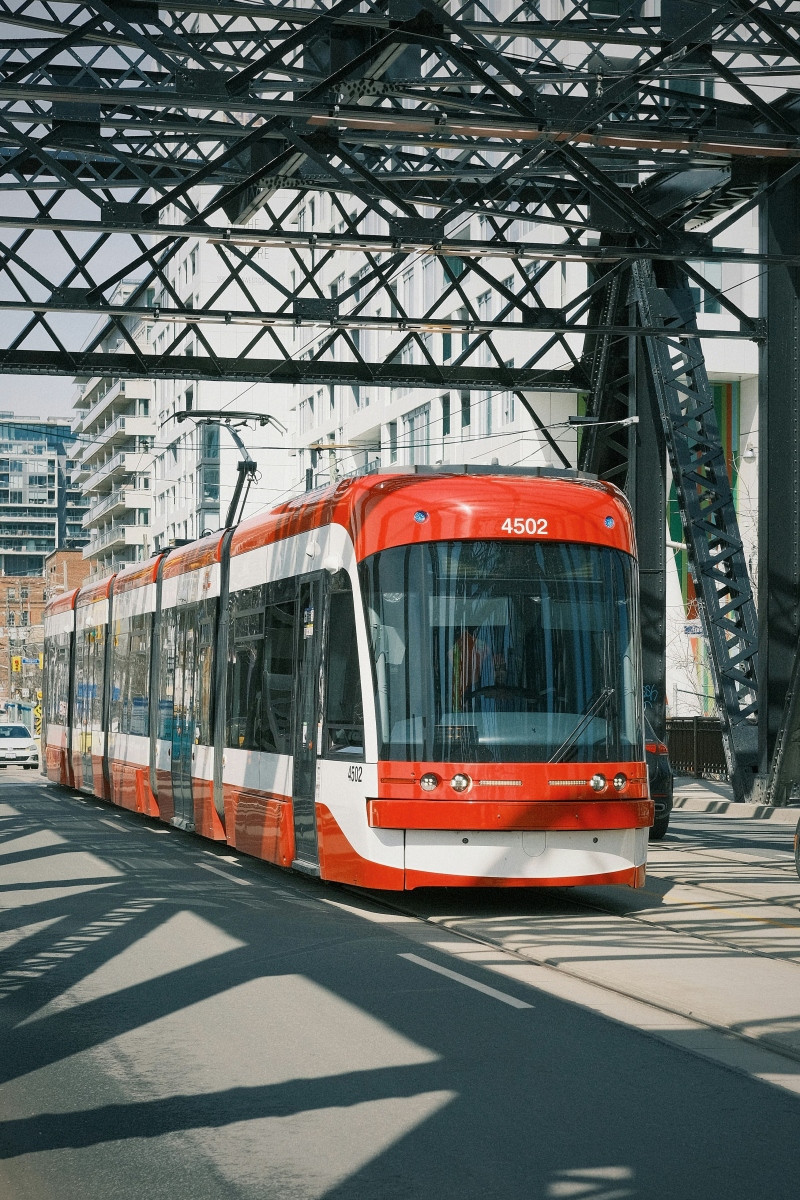
Apart from the subway, the TTC also operates streetcars, buses, and shuttle buses. Streetcars provide east-west and north-south routes, while buses cover an extensive network throughout the city. Shuttle buses are deployed during subway or streetcar closures. Keep an eye on service alerts for shuttle information.
Blue Night Network
The TTC operates a late-night bus service called the Blue Night Network, which runs from 1:30 a.m. to 5 a.m. (8:00 a.m. on Sundays) on many major routes. Service is provided every 30 minutes or less. The Blue Night network provides transit access when the subway service ends and overlaps with early morning subway service.
Payment Methods
The TTC accepts various payment methods, including tokens, tickets, exact cash, contactless credit/debit cards, and the Presto Card. Tokens are no longer available for purchase, but the TTC still accepts them. You can learn more about fare payment options and choosing what is best for you by visiting ‘How to Choose the Right TTC Fare Type for You 2023’ blog post.
Not all stations accept all modes of payment. Some stations are completely contactless and require payment from Presto and credit/debit. It is generally good practice to have payment back up if your primary mode of payment is tokens, tickets, or exact cash.
Understanding Transfers
A “transfer” is a crucial concept for riders and it occurs when you switch between subway lines, streetcars, and buses in any direction, using a single fare, within a two-hour period. If you’re within the two hours, you will not be charged an additional fare. If you pay with cash, ticket, or token, you can obtain a paper transfer from a transfer machine or operator. Otherwise, you can transfer vehicles using your Presto ticket, card, debit or credit card seamlessly.
When to tap your Presto card
You should tap your Presto card whenever you enter a station to start your journey or board a vehicle from the street. However, when transferring, sometimes this is not so obvious. For example, if you exit King subway station to take the streetcar on King Street, you would tap your Presto card onboard the streetcar. However, if you are taking a bus or streetcar inside the station, such as in a bus way like Don Mills station, you don’t need to tap your card. This would be the same if you were exiting a streetcar or bus and entering into a subway station to continue your journey.
Wi-Fi Service
The TTC provides free Wi-Fi, known as T-CONNECT, at all subway stations, allowing you to stay connected while waiting for your train.
You can access high-speed internet and cellular service in a number of tunnels and at all stations on Lines 1 and 2 between Bloor-Yonge and St George to talk, text, and stream. Service is also available at Castle Frank, Sherbourne and Dupont stations, and at stations between Spadina and Keele.
Getting service alerts and trip planning support
For real-time service updates, follow official TTC Twitter accounts, such as @TTChelps and @TTCnotices, to stay informed about arrivals, service disruptions, and route planning. Visiting the website, www.ttc.ca is also helpful prior to starting your journey to ensure that there are no service changes or alerts that would impact your journey.
For an even smoother TTC experience, consider downloading a mobile app that provide trip-planning support. While the TTC does not have an official app, Triplinx was created by Metrolinx and is ad-free. Other, third party apps such as Google Maps are also available for download but may include ads. . Apps offer upcoming departure times for nearby lines, real time data for trip planning, and alerts about interruptions, ensuring you’re always well-prepared for your journey.
Seating & Riding Etiquette
On your TTC journey, you might notice the distinctive blue priority seating areas within subway cars and on vehicles. These seats are designated for passengers with disabilities, seniors, expectant mothers, and others who may require extra assistance. If you find yourself seated in these blue chairs and someone who qualifies for priority seating boards, it’s courteous to give up your seat. On TTC vehicles, it is courteous to allow commuters to disembark before you start boarding.
Accessibility & Wheels-Trans
Wheel-Trans is the para-transit service that provides an accessible transit option for those with disabilities. In order to access this service, travelers must apply by email, fax, mail, or the self-serve portal. Once accepted, trips can be requested through the self-booking website. Each station has accessibility tips for riders, including what to do in the case of elevator outages. It’s recommended to check the TTC website to confirm that elevators are operational so that you can plan accordingly.
Cycling and the TTC
You may choose to have a multimodal commute by first taking a TTC vehicle, and then cycling to your destination. Most subway stations have bicycle parking available, and you are able to use the bike racks on TTC buses at any time. But, bicycles and other large items are not allowed during weekday peak hours – 6:30AM to 10:00AM; and 3:30PM to 7:00PM. If you are bringing your bicycle onto a bus (only conventional bicycles, not motorized vehicles or cargo bikes), except for WheelTrans and community buses, you can load your bike onto the bike rack at the front of the bus.
You may choose to combine carpooling or other forms of sustainable transportation with the TTC to enhance your journey. The Smart Commute Tool is a free app to help you explore your options for sustainable travel across the GTHA. The Tool provides personalized recommended transit routes, cycling routes, and carpooling opportunities. Once registered, you can explore one time or routine carpooling opportunities with others located nearby that are commuting to the same area. Download the app now on the App Store, get it on Google Play, or check out the web version. The Tool allows you to track your travel choices by distance, cost, and emissions savings, and tracking enables you to enter seasonal campaigns to win prizes.
Safety & Emergency Assistance
To enhance your safety during your TTC journey, consider installing the Safe TTC app, which offers TTC customers a quick and discreet method for reporting harassment, safety concerns or suspicious activity directly to the TTC’s Transit Control Centre. Using this app, customers provide a detailed report of incidents and situations that are observed on the TTC system – whether on a vehicle, in a station or at a bus or streetcar stop. If you feel unsafe while riding the TTC, each TTC vehicle has an emergency alarm strip for immediate assistance.
If you need help in a TTC station, go to a Designated Waiting Area (DWA) and use the intercom on the platform or at any elevator to contact station staff. They will contact emergency responders for help.
While waiting for the train, stand clear of the yellow line. If you drop any items in the tracks, do not attempt to retrieve it! Speak to a TTC employee.
Request Stop Program
The Request Stop program is available for solo bus travelers from 9 p.m. to 5 a.m. Customers can exit the bus between regular stops by making a request to the operator one TTC stop in advance. This allows travelers to stop closer to their final destination. The operator will stop for you to exit through the front doors.
As you embark on your TTC journey, remember that it’s not just about getting from point A to point B – it’s an opportunity to embrace Toronto’s diversity, culture, and vitality with confidence. So, why wait? If you are an employer interested in supporting your employees with sustainable commuting by providing services such as emergency ride home reimbursement, contact us today!