Written by Amy Elvidge, Program Manager
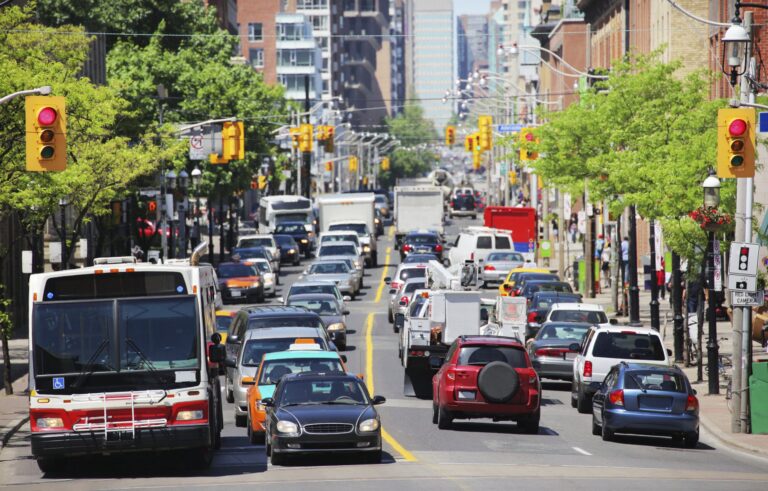
Every morning in Toronto, a familiar ritual plays out. Loving, intelligent and highly successful parents strap their kids into SUVs to drive less than five kilometers to school, sports practice, or a routine appointment. We white-knuckle our way through construction, navigate the gridlock, and pay exorbitant fees just to park ($4.50 per half hour, anyone?).
We do it under the guise of convenience. We do it because somewhere along the line—perhaps right around the time we could afford a down payment or had to wrestle our first toddler into a rear-facing car seat—we decided that public transit was an “alternative” for people who had no other choice.
But as a Midtown Toronto mother of two boys, I want to propose a radical shift in perspective: In Toronto, choosing transit isn’t a sacrifice. It is the ultimate luxury.
The Real Toronto Privilege
As homeowners and families in Toronto, we aren’t just casual observers of Toronto’s transit system—we are its primary stakeholders. According to the TTC’s operating budget report, a staggering 49% of the transit system’s operating budget is funded directly by the city’s property tax base. The buses passing our streets, the subways, and the trains are premium services that we heavily subsidize every single year.
Yet, despite paying nearly half the bill, our families are almost entirely missing from the passenger seats. In fact, city data reveals that children aged 12 and under accounted for a measly 2% of overall ridership (Source: City of Toronto).
Think about the irony of that. We are funding a world-class public infrastructure with our tax dollars, but refusing to let our own families experience it. We’ve been conditioned to think that a luxury SUV equals a luxury lifestyle. But let’s be honest about what driving in Toronto actually feels like. It’s stressful, isolating, and rigid.
True luxury is about space, flexibility, and time. On the UP Express or a GO Train, you aren’t yelling at your kids while sitting in traffic, you are reading a book to your kids, playing a game, or discussing the world around you.
On the subway, you aren’t hunting for a $20 parking spot; you are stepping off exactly where you need to be.
On a short bus ride, your hands are free to hold your child’s hand, look them in the eye, and actually talk to them.
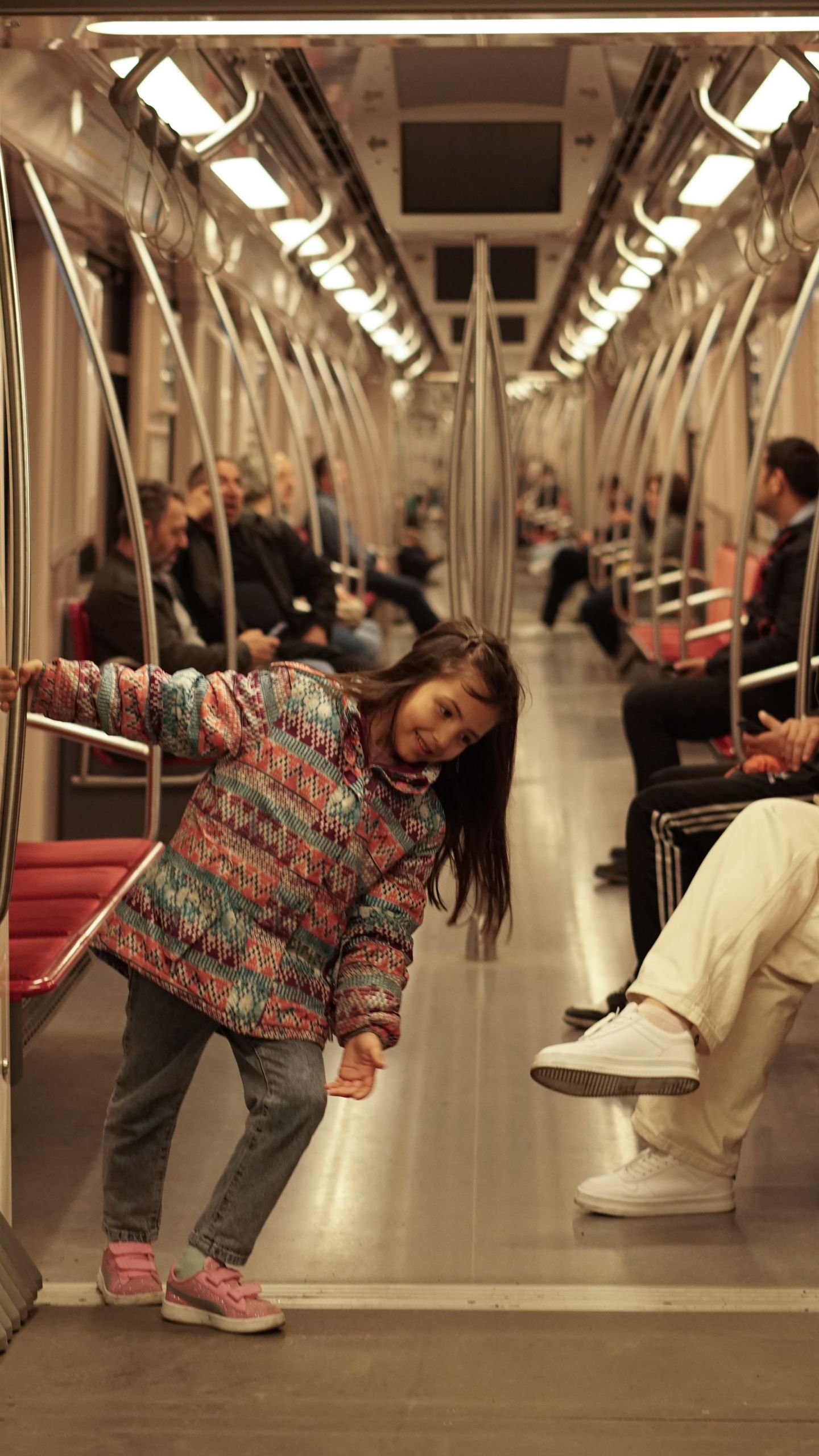
When we choose transit for short or direct trips, we trade the friction of driving for meaningful, face-to-face connection that your kids will actually remember.
Raising Navigators, Not Cargo
The benefits of this shift extend beyond our own sanity. When we transition our children from the back seat of a car to the seat of a train, their relationship with the world changes.
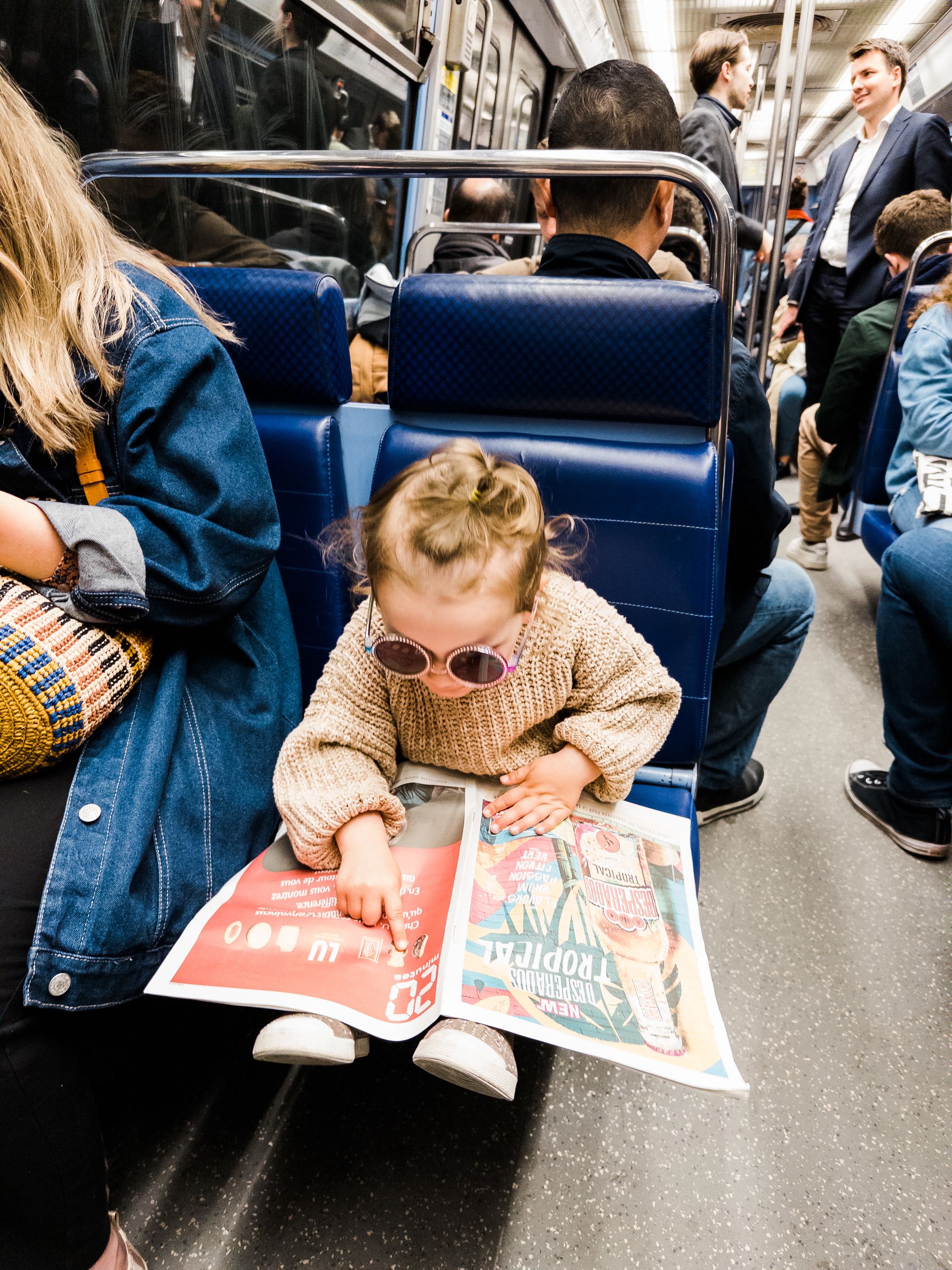
In a car, children are passive cargo. They are strapped in, often staring at the back of a headrest or a screen and disconnected from the geography of their own city.
Public transit, however, is a cognitive playground. It builds intelligence, confidence, and independence in ways a car ride never can.
When my boys and I take transit, they aren’t just passengers—they are navigators. They learn to read transit maps, calculate stops, and understand spatial geography. They practice patience when a train is delayed and adaptability when plans change. They are exposed to a beautiful, diverse cross-section of Toronto, teaching them civic empathy and social literacy.
We want to raise kids who are capable, resilient, and worldly. How can we expect them to navigate the world as adults if we never let them navigate their own city as children?
A Higher Standard for Toronto
The former mayor of Bogotá, Enrique Peñalosa, once famously said:
“A developed country is not a place where the poor have cars — it’s where the rich use public transport.”
It’s time for Toronto families to consider this standard. We have the resources, we have the infrastructure, and we have the daily opportunity passing right by our doorsteps.
In my own work at pointA, I work to make sustainable transportation a daily reality for Torontonians. Through the Smart Commute program and our customized commuting tools, we help individuals, families, and workplaces trade traffic gridlock for smarter, cleaner, and more joyful ways to move.
The TTC and the GO Train don’t have to be for others, for your past self, or for one off occasions when your car is in the shop. Let’s view it for what it truly is: a spacious, civilized, and engaging way to move through our daily lives. If the practical logistics of boarding a bus with a stroller or managing toddlers on the subway feels overwhelming, you don’t have to figure it out alone. We’ve been there, and we’ve mapped out exactly how to make it work. Check out our guide on 10 Tips for Taking Public Transit with Kids for real-world advice on everything from stroller rules to tracking stops and packing the perfect transit snack kit. Your sanity—and your children’s future—will thank you.